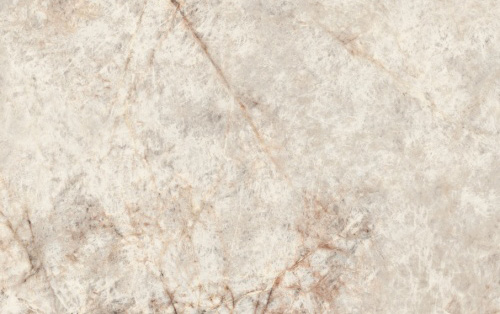
Choosing the right countertop material is one of the most important decisions in any kitchen or bathroom design. In the United States, homeowners and designers gravitate toward a select group of materials that balance durability, appearance, maintenance, and cost.
The following guide highlights the most widely used countertop materials, including natural stones like granite and marble, high-performance engineered quartz, and emerging favorites such as large format porcelain.
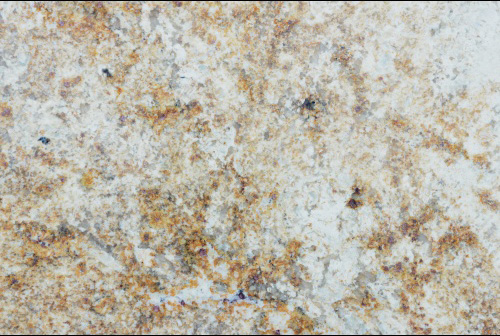
Granite is a natural igneous stone known for its exceptional durability and resistance to heat and scratches.
- Highly durable and heat-resistant
- Natural, one-of-a-kind patterns
- Ideal for high-traffic kitchens
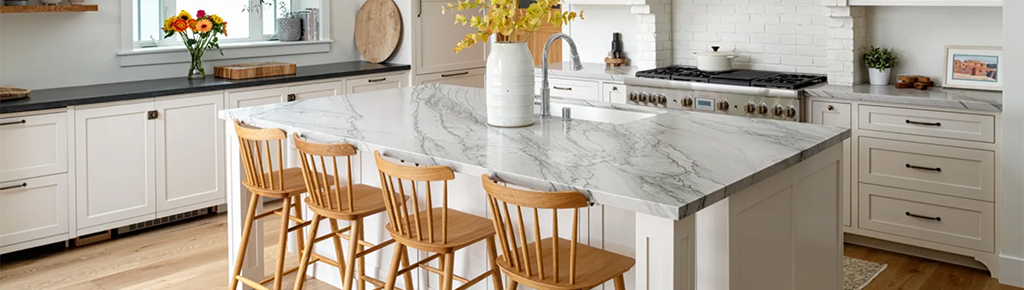
Marble is a classic natural stone prized for its elegant veining and timeless appeal.
- Luxurious, high-end appearance
- Distinctive veining patterns
- Best suited for low to moderate use areas
Mineral surface slabs are emerging as a next-generation evolution of engineered quartz, primarily due to their significantly reduced silica content.
These materials are manufactured using a blend of feldspar, other natural minerals, resins, and recycled content, replacing high concentrations of crystalline silica.
- Non-porous and stain-resistant
- Low maintenance (no sealing required)
- Wide range of colors and styles
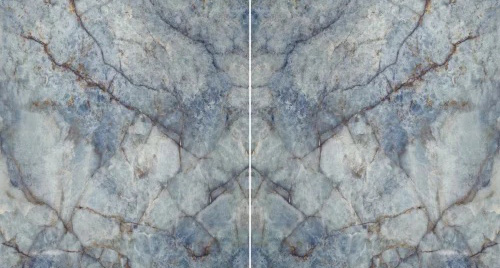
Quartzite is a natural metamorphic stone that offers the look of marble with greater durability.
- Extremely hard and durable
- Elegant marble-like appearance
- Excellent for kitchens and heavy use
Travertine is a form of limestone known for its warm tones and porous surface.
- Warm, natural color palette
- Unique texture options
- Best for decorative areas
Porcelain slabs offer durability, low maintenance, and modern design flexibility.
- Ultra-durable and non-porous
- Resistant to heat, stains, and UV
- Available in many styles
Each material offers a unique combination of performance and design appeal. The right choice depends on usage, maintenance preferences, and desired aesthetics.